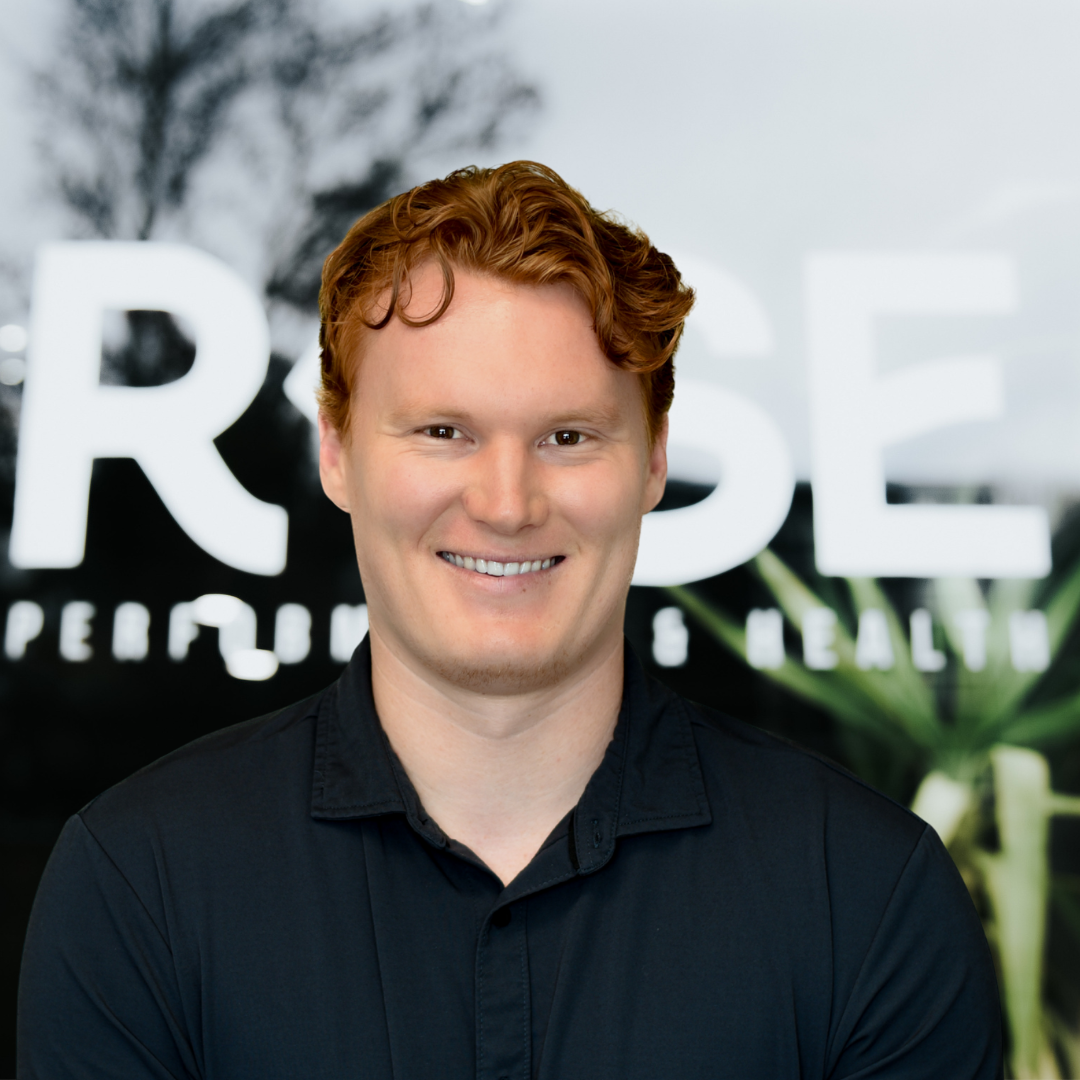
Why CrossFit And All Barbell Lifts Are Better Medicine Than You Think
Personal experience filtered through a hard look at the evidence from Seattle CrossFitter and Physical Therapist Dr. Roy Parsons.
Nothing helps me reset and feel more grounded than a heavy session in the gym.
It's not just a feeling — it's science. Resistance training has been shown to reduce cortisol, improve mood, sharpen focus, and build the kind of functional strength that carries over into every part of life. For me, lifting isn't just programming. It's where I find my mental clarity at the end of a hard day, the physical challenge that keeps me sharp, and the community that makes me want to show up even when I don't feel like it.
As a physical therapist who works with lifters and CrossFit athletes every week at RISE in Seattle's South Lake Union, I see firsthand what happens when people push hard without the right foundation. I also see what's possible when they do have it. If you're participating in the CrossFit Open, training for a PR, or looking to improve your health and longevity — that's who we're here for.
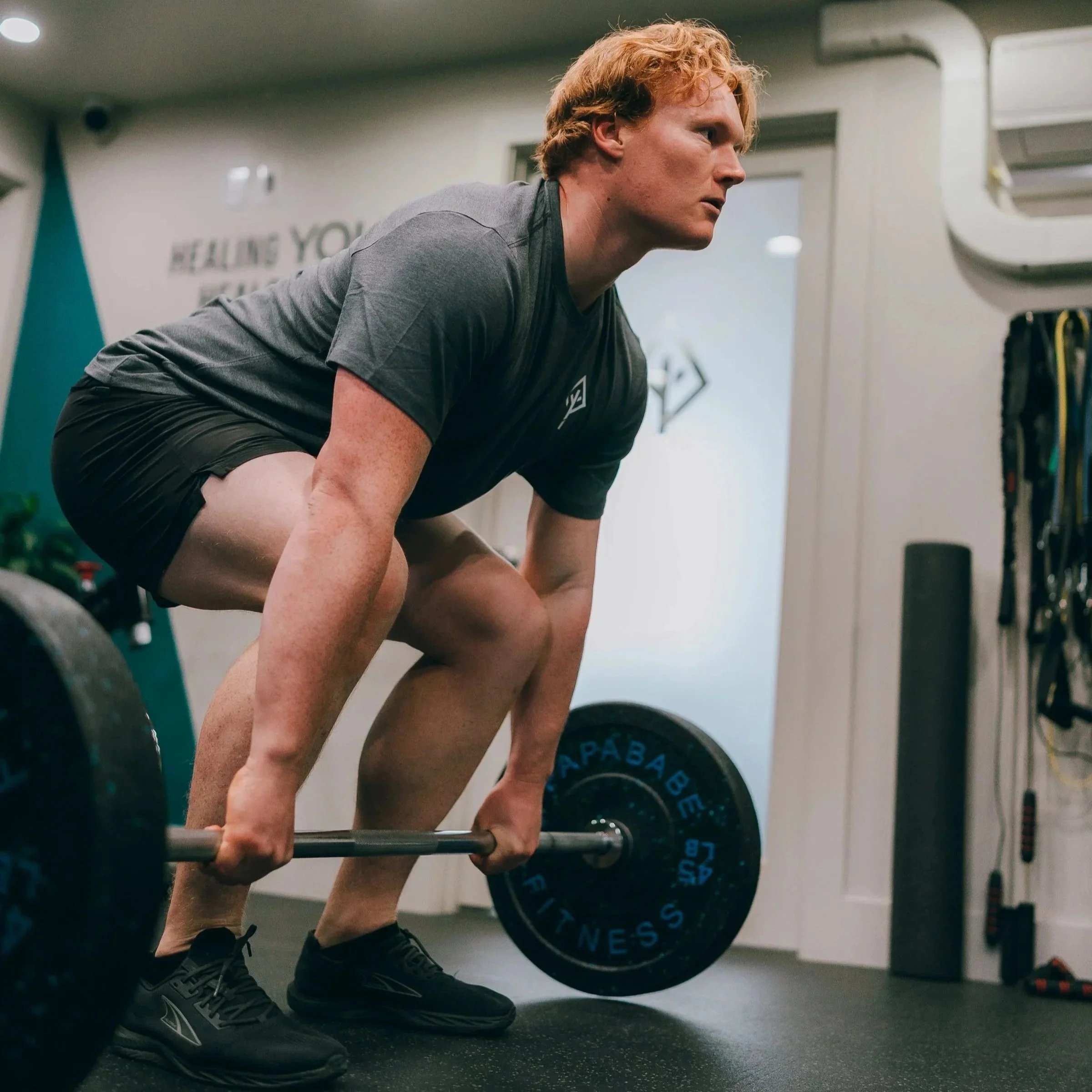
The Physical Benefits Are Real — And Broad
A 2018 systematic review in Sports Medicine – Open (Claudino et al.) confirmed CrossFit produces improvements across five fitness domains: cardiovascular endurance, stamina, strength, flexibility, and power. Research in Frontiers in Physiology (2023) showed CrossFit athletes consistently hit above 90% of maximum heart rate during WODs — a meaningful cardiovascular stimulus — with a post-exercise drop in blood pressure tied to reduced long-term cardiac risk.
And this isn't unique to CrossFit. The resistance training literature broadly says the same thing:
Bone density — Progressive loading is one of the most effective tools for maintaining bone mass — especially critical for women over 40 and men over 50.
Metabolic health — More muscle means better insulin sensitivity, glucose regulation, and a higher resting metabolic rate.
Longevity — Muscle mass is now one of the strongest independent predictors of all-cause mortality after 50. People who maintain it live longer and live better.
Whether you're at a CrossFit box, a powerlifting gym, or lifting in a commercial gym in South Lake Union — the physiology is the same.
The Mental Health Benefits Are Just as Real
This is the part I feel most personally. A heavy training session doesn't just tire me out — it clears me out. There's a neurochemical reason for that. Resistance training reduces cortisol, improves sleep quality, and sharpens cognitive function. And it does something else that doesn't get talked about enough: it builds the kind of mental resilience that carries over into everything else.
A 2021 systematic review by Dominski et al. found CrossFit consistently improves mood, reduces anxiety, and increases self-efficacy and quality of life. A meta-analysis in JAMA Psychiatry (Gordon et al., 2018) found resistance training reduces depression and anxiety symptoms with effect sizes comparable to antidepressant medication in mild-to-moderate presentations.
The Community Factor
Part of what makes CrossFit — and any community-based lifting environment — so powerful is the people. A 2023 scoping review in BMC Sports Science found that community, shared challenge, and mutual encouragement are distinct, measurable contributors to training outcomes. It's not just motivation. Training alongside others activates social reward pathways that solo exercise doesn't replicate. That's part of why CrossFit athletes show higher long-term adherence than almost any other training modality.
What I See at RISE Every Week
Athletes who train consistently in community environments — CrossFit boxes, barbell clubs, lifting gyms — are more resilient, recover faster, and come back from injury more motivated. They also have something to return to, which matters more than people realize.
When an injury pulls you out of training, you don't just lose the physical benefit. You lose the community, the routine, the daily reset. That's the real cost of a preventable injury — and it's why I'd rather see someone in the clinic before things go sideways than after.
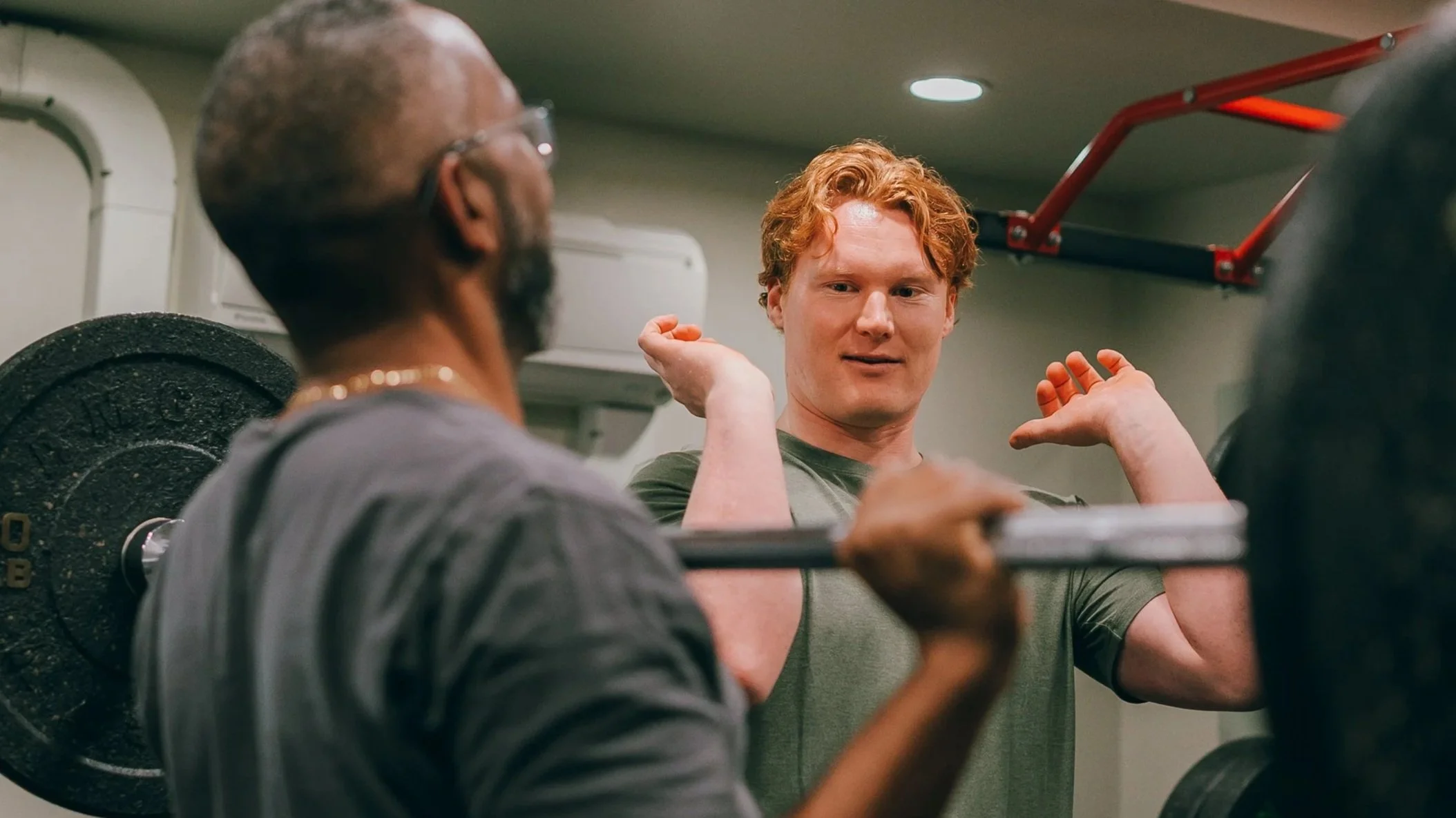
WHO WE TREAT AT RISE · SOUTH LAKE UNION, SEATTLE
▸ CrossFit athletes: shoulder, knee, low back, wrist
▸ Powerlifters & barbell athletes: disc, hip, patellar issues
▸ Recreational lifters (age 35–60) managing chronic joint pain
▸ Masters athletes (55+) building the muscle that predicts longevity
▸ Anyone told to stop lifting who wants a second opinion from a PT who lifts :)
The Bottom Line
CrossFit and resistance training work — on your heart, your bones, your metabolism, your brain, and your mental health. The research is consistent. But what I know from personal experience, and from watching patients get their lives back, is that the barbell gives you something that's hard to quantify: a sense of what you're capable of. On hard days. In hard seasons. That's worth protecting.
If you're a lifter or CrossFit athlete in Seattle and you're dealing with pain, managing an injury, or just want your mechanics in good shape for the long haul — come see us. One full hour with your doctor of physical therapy. No insurance restrictions. No rushing.
The bar is loaded. Let's make sure your body is ready for it.
— Dr. Roy Parsons, DPT ·
RISE Performance & Health2000 Westlake Ave N, Suite 100 · South Lake Union · Seattle, WA · riseperformancehealth.com