
How to Choose Running Shoes for Seattle Runners: What the Research Actually Says
Evidence-based guidance from Seattle's physical therapy experts at RISE Performance & Health in South Lake Union
If you've ever stood in a Seattle running store overwhelmed by rows of colorful shoes, each promising to revolutionize your running, you're not alone. The running shoe industry loves to complicate things with pronation control, cushioning systems, and biomechanical jargon that can make selecting a pair feel like you need an engineering degree.
Here's the truth: choosing running shoes doesn't have to be that complicated. As physical therapists who work with distance runners in Seattle's South Lake Union area, we've seen firsthand how much confusion exists around this topic. Whether you're training for the Seattle Marathon, running the Burke-Gilman Trail, or tackling the hills around Capitol Hill, let's cut through the marketing noise and talk about what peer-reviewed research actually tells us about selecting running shoes.
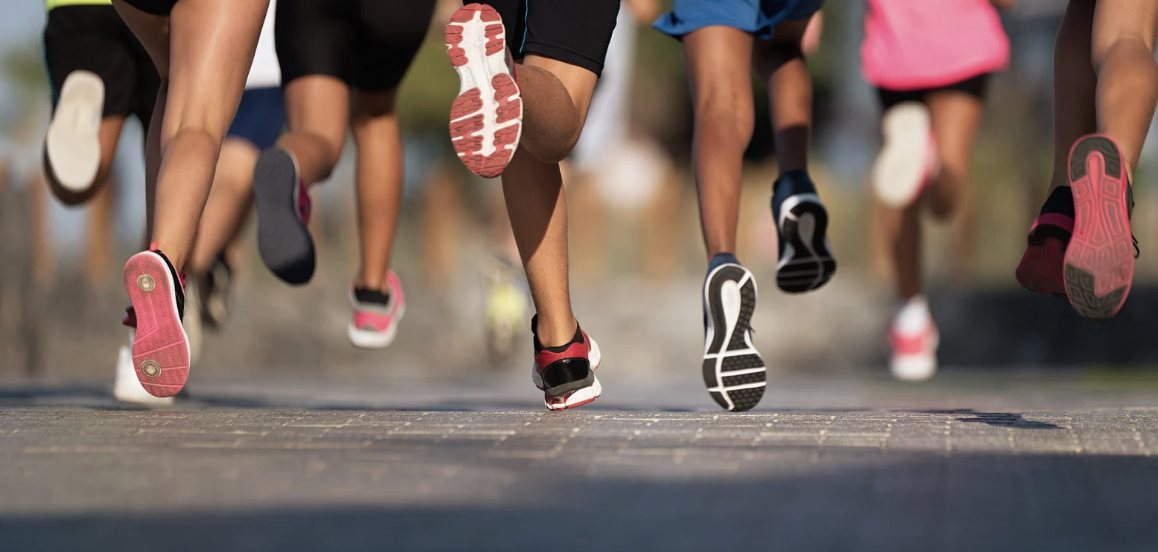
The Most Important Factor? It Might Surprise You
After decades of research trying to identify the "perfect" running shoe, science has arrived at a surprisingly simple conclusion: comfort is king!
A landmark study by Nigg and colleagues examined injury rates in over 200 runners and found that selecting shoes based on comfort was more effective at preventing injuries than prescribing shoes based on foot type or arch height. The researchers concluded that our bodies have an innate ability to recognize what feels right, and we should trust that sensation.
This finding has been supported by multiple subsequent studies. When runners choose shoes that feel most comfortable during an initial test run, they experience fewer injuries compared to runners assigned shoes based on traditional prescription methods like wet foot tests or gait analysis.
Debunking the Pronation Myth
For years, the running industry built its entire shoe categorization system around pronation—the natural inward roll of the foot during landing. Runners were told they needed to know their pronation pattern to select the "right" shoe, with motion control shoes prescribed for overpronators and neutral shoes for everyone else.
The problem? Research doesn't support this approach.
Recent research examining injury reduction effectiveness of prescribing running shoes based on foot type has found no significant benefit to this common practice. Studies have found weak and inconsistent evidence linking pronation patterns to injury risk.
What does this mean for you? That expensive gait analysis to determine your pronation pattern probably isn't necessary for shoe selection. Your foot's natural motion isn't something that needs to be "corrected" by your shoes.
Cushioning: More Isn't Always Better for Seattle's Varied Terrain
The cushioning debate has swung like a pendulum over the past two decades, from maximalist shoes with thick, plush midsoles to minimalist shoes that barely separate your foot from the ground. For Seattle runners who face everything from the concrete of the Burke-Gilman Trail to the soft trails of Discovery Park, this question becomes even more relevant. So which approach does research support?
Here's where it gets interesting: our bodies adapt to the surface we're running on and the footwear we choose. The relationship between cushioning and injury prevention is more complex than "more is better" or "less is better." Recent research examining midsole properties and injury risk suggests that neither extreme is inherently superior.
Studies on injury rates between different cushioning levels show that when runners are given adequate time to adapt to their shoes, individual comfort and preference play a more important role than cushioning amount alone. The key word here is "adapt." Sudden transitions between dramatically different shoe types—especially jumping into minimalist shoes after years in traditional footwear—significantly increases injury risk.
What About Heel-to-Toe Drop?
Heel-to-toe drop refers to the height difference between the heel and forefoot of a shoe. Traditional running shoes typically have an 8-12mm drop, while minimalist shoes often have zero drop. Does it matter?
Research suggests that drop height influences running mechanics. Lower drop shoes tend to encourage more midfoot or forefoot striking and reduce loading at the knee, while higher drop shoes may reduce loading at the ankle and Achilles tendon. However, studies haven't found consistent differences in overall injury rates between different drop heights.
The takeaway? Drop is a personal preference that should align with your running mechanics and comfort. If you've been running injury-free in shoes with a particular drop, there's no compelling reason to change.
Making the Transition: Important for Seattle's Year-Round Runners
If you do decide to try a different type of shoe—whether it's shifting to lower drop, less cushioning, or just a different brand—gradual transition is essential. This is especially important for Seattle runners who train through wet winters and variable weather conditions.
Research on footwear transitions consistently shows that sudden changes increase injury risk. Studies examining minimalist shoe adoption have found that runners who gradually increase their mileage in new shoes over several weeks experience better outcomes than those who switch abruptly.
Apply the 10% rule: start by running just 10% of your weekly mileage in new shoes, gradually increasing that percentage over several weeks while monitoring how your body responds.
When to Replace Your Shoes
Most running shoe manufacturers recommend replacing shoes every 300-500 miles. While individual wear patterns vary significantly, paying attention to visible signs of deterioration is important.
Pay attention to visible wear patterns on the outsole, compression of the midsole that doesn't bounce back, and how your shoes feel. If your previously comfortable shoes start feeling flat or your legs feel more fatigued after runs, it's probably time for new ones. Track your mileage as a general guideline, but trust your body's feedback about when shoes no longer feel supportive.
The Bottom Line: Evidence-Based Shoe Selection for Seattle Runners
Here's what peer-reviewed research supports for choosing running shoes, with considerations for Seattle's unique running environment:
Start with comfort. During your initial test run at your local Seattle running store, pay attention to how the shoes feel. Trust your body's feedback. Research shows this intuitive approach is more effective than complex prescription methods.
Don't obsess over pronation control. Your natural foot motion isn't pathological, and there's limited evidence that motion control features prevent injuries. Focus instead on finding shoes that feel stable and comfortable to you, whether you're running on the paved Burke-Gilman Trail or the softer surfaces at Seward Park.
Consider your training context. Are you running mostly on Seattle's urban streets, local trails like Discovery Park, or the track at Green Lake? Will these be for easy runs or speed work? Match the shoe's design to how you'll actually use them in Seattle's varied terrain.
Respect the transition period. If you're changing to a significantly different shoe type, introduce them gradually. Your body needs time to adapt to new mechanical demands, especially if you're training through Seattle's rainy season.
Replace based on use and feel. Track your mileage and pay attention to how your shoes feel. If they're losing their cushioning or you notice increased leg fatigue, it's time to shop.
Try multiple options. Research supports trying several pairs during your shopping trip. Run in each option if the store allows it, even if it's just a quick lap around the block.
A Physical Therapist's Perspective on Running Shoes in Seattle
In our work with distance runners at RISE Performance & Health in South Lake Union, we've noticed that Seattle runners often have more success when they stop searching for the "perfect" shoe and instead find what feels right for their individual body and running style. Whether you're running along the waterfront, training for the Seattle Half Marathon, or hitting the trails at Discovery Park, some runners thrive in maximalist cushioning, others prefer a more minimal feel. Some need wider toe boxes for those long Sunday runs around Green Lake, others run better in a snugger fit.
The research supports this individualized approach. Your biomechanics, training history, injury history, running surface, and weekly mileage all play a role in what works best for you. What worked for your running partner at your local Seattle running club or the person who won the Seafair 5K might not be right for your body.
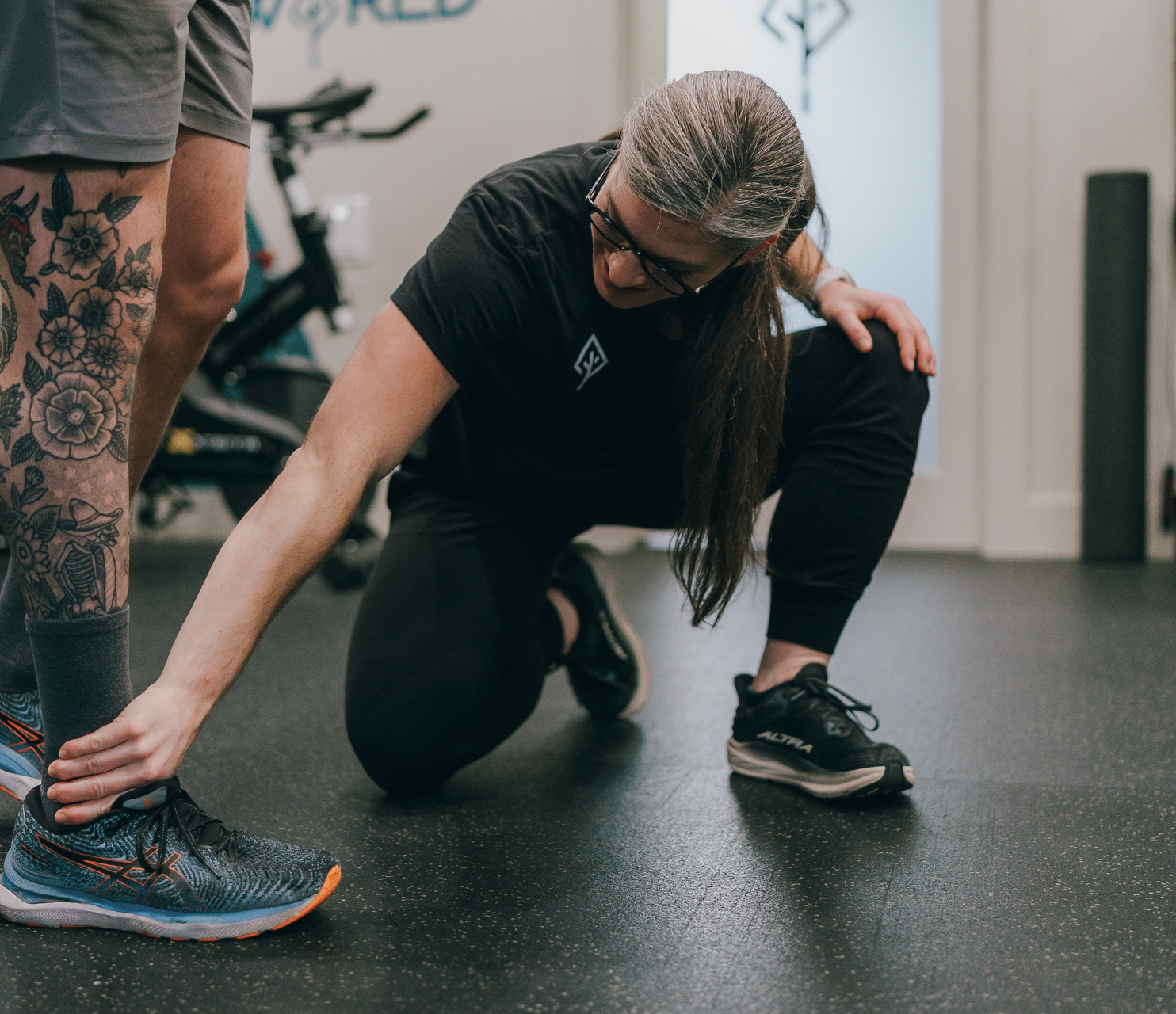
If you're a Seattle runner struggling with recurrent injuries, the problem often isn't your shoes—it's usually related to training load management, strength deficits, or movement patterns that need addressing. A qualified physical therapist who specializes in running can help identify these underlying issues rather than simply blaming your footwear. At our South Lake Union clinic, we regularly work with runners who've been told their shoes are the problem, only to discover the real culprit is weak hip stabilizers or poor training load progression.
Your Next Steps as a Seattle Runner
The next time you're shopping for running shoes in Seattle—whether at your favorite South Lake Union running store or elsewhere—remember that the science supports a simpler approach than the marketing would have you believe. Find shoes that feel comfortable during a test run, match them to your training needs (those Burke-Gilman Trail runs require different considerations than track workouts at the UW), and give your body time to adapt if you're making a significant change.
And if you're a Seattle runner dealing with persistent pain or injuries that seem related to your running shoes—or if you're unsure whether your shoes are contributing to your issues—it's worth getting a professional assessment. At RISE Performance & Health in South Lake Union, we work with distance runners throughout Seattle to identify the true root causes of pain and build the strength and resilience needed to run without limits. From Queen Anne to Capitol Hill, Fremont to Eastlake, we help Seattle's active community tackle everything from IT band issues to plantar fasciitis to chronic knee pain.
Because at the end of the day, the best running shoe is the one that helps you keep running—whether that's along the Ship Canal Trail, up the hills of Seattle, or through your favorite neighborhood routes.
Need help with a running injury? At RISE Performance & Health, our South Lake Union physical therapy clinic specializes in helping Seattle runners overcome pain and build resilience. We offer comprehensive running assessments, gait analysis, strength training, and personalized treatment plans for distance runners throughout Seattle, including South Lake Union, Capitol Hill, Queen Anne, Fremont, and Eastlake. Schedule a free Discovery Call to learn how we can help you run stronger and pain-free.
References:
Nigg BM, et al. (2015). Running shoes and running injuries: mythbusting and a proposal for two new paradigms: 'preferred movement path' and 'comfort filter'. British Journal of Sports Medicine, 49(20), 1290-1294.
Knapik JJ, et al. (2014). Injury reduction effectiveness of prescribing running shoes on the basis of foot arch height: summary of military investigations. Journal of Orthopaedic & Sports Physical Therapy, 44(10), 805-812.
Theisen D, et al. (2014). Influence of midsole hardness of standard cushioned shoes on running-related injury risk. British Journal of Sports Medicine, 48(5), 371-376.
Fuller JT, et al. (2015). Body mass and weekly training distance influence the pain and injuries experienced by runners using minimalist shoes: a randomized controlled trial. American Journal of Sports Medicine, 43(5), 1216-1222.