
Are You Actually Recovering? The Science of What Happens Between Your Workouts
You trained hard. You took a rest day. You expected to feel better. But you woke up still stiff, still tired, and still not quite right.
Here is a question that changes everything: were you resting, or were you actually recovering?
These two things are not the same. Rest is the absence of effort. Recovery is an active biological process involving your nervous system, your endocrine system, your immune system, and the structural integrity of your tissues. At RISE Performance & Health in Seattle's South Lake Union neighborhood, this distinction sits at the core of how we practice physical therapy and health coaching. Understanding the difference is one of the most important shifts an active person can make, because the evidence is clear: how you recover determines how well you perform, how resilient you become, and how long you stay healthy.
This is a deep dive into what the research actually says.
The Physiology of Recovery: What Is Actually Happening
When you train, you create controlled damage. Muscle fibers develop micro-tears. Your central nervous system fatigues from repeated motor unit recruitment. Inflammatory cytokines flood the tissue. Metabolic byproducts accumulate. Cortisol, your primary stress hormone, spikes.
None of this is bad. All of it is necessary. But the adaptation, the getting stronger and more resilient part, happens entirely in the recovery window. Not during training. After.
This process unfolds in overlapping phases:
Acute inflammation (0 to 72 hours): Immediately following exercise, pro-inflammatory cytokines including interleukin-6 (IL-6), tumor necrosis factor-alpha (TNF-a), and interleukin-1beta (IL-1B) are released at the site of muscle damage. This is the body's repair crew arriving at the scene. Macrophages clear damaged tissue while satellite cells, the muscle's stem cells, begin proliferating. Research by Tidball (2011) in Physiological Reviews established that this inflammatory phase is not something to be suppressed; it is a required trigger for regeneration. Aggressive use of NSAIDs like ibuprofen during this phase has been shown to blunt satellite cell activity and impair long-term muscle adaptation (Mackey et al., 2007, Journal of Applied Physiology).
Repair and remodeling (2 to 7 days): Anti-inflammatory cytokines begin to dominate. Collagen synthesis accelerates for tendon and connective tissue. Muscle protein synthesis peaks roughly 24 to 48 hours post-exercise and can remain elevated for up to 72 hours in trained individuals (Phillips et al., 1997, American Journal of Physiology). This is the window where quality sleep, protein availability, and reduced psychological stress have the greatest impact on whether adaptation actually occurs.
Supercompensation: This is the goal. If recovery inputs are sufficient, the body does not just return to baseline. It overshoots it, building greater capacity than existed before training. If recovery is insufficient and the next training load is applied too soon, supercompensation is blunted and accumulated fatigue compounds. Over weeks and months, this pattern produces overtraining syndrome, a real clinical entity associated with immune suppression, hormonal dysregulation, and increased injury risk (Meeusen et al., 2013, Medicine and Science in Sports and Exercise).
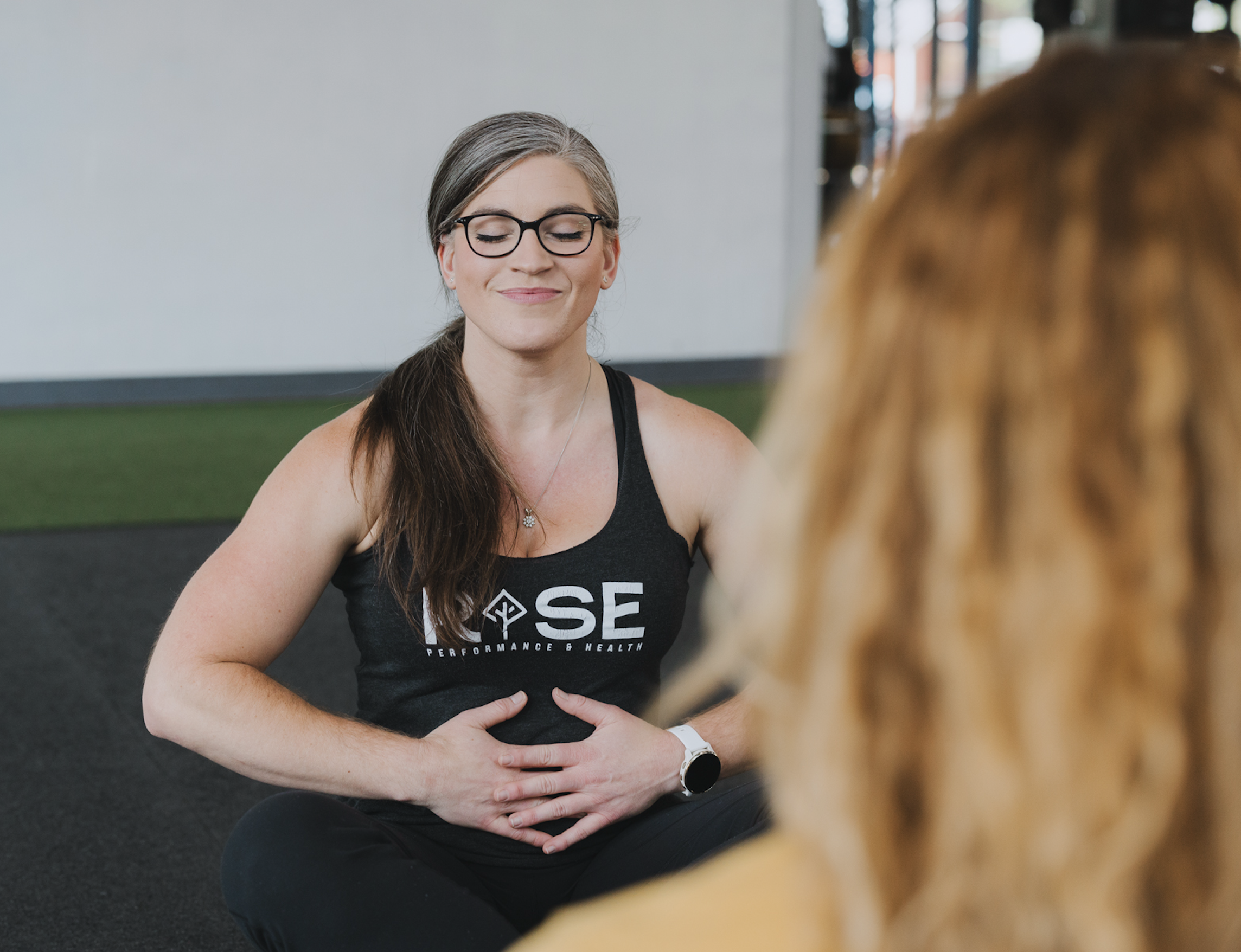
The Autonomic Nervous System: The Recovery Metric Most Seattle Athletes Ignore
Your autonomic nervous system has two primary branches. The sympathetic system drives fight-or-flight responses and is dominant during training. The parasympathetic system drives rest-and-digest responses and is essential for recovery. The balance between these two systems can be quantified through heart rate variability (HRV), the variation in time intervals between consecutive heartbeats.
Higher HRV indicates greater parasympathetic dominance and readiness to train. Lower HRV indicates sympathetic dominance, ongoing stress, or incomplete recovery.
Plews and colleagues (2013, International Journal of Sports Physiology and Performance) demonstrated that HRV remains suppressed for 24 to 72 hours following high-intensity exercise, with the degree and duration of suppression correlating directly with training load. Critically, passive rest does not meaningfully accelerate the return to baseline HRV.
What does? A landmark systematic review and meta-analysis by Dupuy and colleagues (2018, Frontiers in Physiology) examined the effectiveness of various recovery modalities across 99 studies. Active recovery, meaning low-intensity movement at 30 to 60% of maximum heart rate, was among the most effective strategies for reducing both perceived muscle soreness and markers of muscle damage. For Seattle athletes, this might look like an easy spin on the Burke-Gilman Trail or a low-key Lake Union paddle. Cold water immersion, contrast water therapy, and compression garments also showed significant effects. Passive rest ranked among the least effective options.
This is not a minor finding. It means that a 20-minute walk on your recovery day is not just pleasant. It is measurably superior to lying on the couch for your tissue repair timeline.
Sleep: The Most Powerful Recovery Tool You Already Have Access To
If there is one recovery variable that stands above all others in the literature, it is sleep. Not supplements. Not ice baths. Not compression boots. Sleep.
During slow-wave sleep (stages 3 and 4 of non-REM sleep), the anterior pituitary gland releases approximately 70% of its daily growth hormone output (Van Cauter et al., 2000, Sleep). Growth hormone is the primary anabolic signal for muscle protein synthesis, collagen repair, and fat metabolism. Disrupting or shortening sleep does not just make you feel tired. It biochemically interrupts the tissue repair process.
Dattilo and colleagues (2011, Medical Hypotheses) outlined the mechanistic relationship between sleep deprivation and muscle recovery in detail: inadequate sleep elevates cortisol, suppresses testosterone and IGF-1, increases protein degradation, and shifts the anabolic-to-catabolic ratio in the wrong direction. The physiological effect of chronically poor sleep looks remarkably similar to the physiological effect of overtraining.
The injury data is equally compelling. Milewski and colleagues (2014, Journal of Pediatric Orthopaedics) conducted a prospective study of 112 student athletes and found that those sleeping fewer than eight hours per night were 1.7 times more likely to sustain an injury compared to those sleeping eight or more hours. Athletes who reported poor sleep quality showed significantly slower reaction times, reduced maximal strength output, and impaired decision-making under fatigue.
For anyone training consistently and sleeping six hours a night, the math is straightforward: you are accumulating a recovery debt that no amount of rest days will repay.
Sleep coaching is one of the areas where our integrated physical therapy and health coaching model at RISE goes beyond what most Seattle physical therapy practices offer. We treat sleep as a clinical variable, not a lifestyle footnote.
Practical sleep optimization for athletes:
Maintain a consistent sleep and wake time, even on weekends, to anchor your circadian rhythm.
Avoid high-intensity training within three hours of sleep, as elevated core body temperature and catecholamine levels delay sleep onset.
Prioritize sleep duration before sleep quality interventions. Eight to nine hours in a cool, dark room is the baseline target.
A 20 to 30 minute nap between 1:00 and 3:00 PM has been shown to partially offset the performance decrements of a poor night's sleep without disrupting nighttime sleep architecture (Waterhouse et al., 2007, Journal of Sports Sciences).
The Stress Budget: Why Your Hardest Training Weeks Should Be Your Easiest Life Weeks
This is the concept that most training programs completely ignore, and it is arguably the most clinically relevant for the active, high-achieving professionals we work with in Seattle and South Lake Union.
Your body does not distinguish between physical stress and psychological stress in terms of its cortisol response. Work deadlines, relationship strain, financial pressure, and sleep deprivation all activate the same hypothalamic-pituitary-adrenal (HPA) axis as a hard training session. Your body runs a single stress budget, and every stressor draws from the same account.
Stults-Kolehmainen and Sinha (2014, Sports Medicine) conducted a comprehensive review of the literature on psychological stress and physical performance. Their findings were unambiguous: high psychological stress independently impairs muscle recovery, reduces motivation to exercise, blunts the anabolic response to resistance training, and increases perceived exertion at the same absolute workload. Athletes under high life stress showed attenuated adaptation to training even when training variables were held constant.
The concept of allostatic load, the cumulative burden of chronic stress on the body's regulatory systems, helps explain why some people train hard, sleep reasonably well, and still plateau or break down. The total load on the system, including everything that activates the stress response, determines recovery capacity. A 10-hour work week and a heavy training block is a very different physiological situation than a 60-hour work week and that same training block, even if the actual training sessions are identical.
This is exactly where the integration of physical therapy and health coaching makes a measurable clinical difference. At RISE, we do not just assess your movement and tissues. We ask about work stress, life demands, and sleep quality from the very first session, treating all of it as the clinical data it is. This holistic model is central to why our patients in Seattle and South Lake Union see results that outlast what traditional physical therapy alone can produce.
Nutrition Timing: What the Research Actually Supports
The nutrition literature on recovery is often overcomplicated, but a few findings are robust and directly actionable.
Protein timing and distribution: Muscle protein synthesis is maximized not just by total daily protein intake but by how that intake is distributed. Research by Areta and colleagues (2013, Journal of Physiology) found that consuming 20g of high-quality protein every three to four hours produced greater muscle protein synthesis than consuming the same total protein in fewer, larger doses. For most active adults, this means four protein-containing meals across the day rather than concentrating protein at dinner.
Pre-sleep protein: One of the most clinically underutilized findings in recovery nutrition is the effect of pre-sleep protein on overnight muscle protein synthesis. Snijders and colleagues (2015, Journal of Nutrition) demonstrated that consuming 40g of casein protein approximately 30 minutes before sleep significantly elevated muscle protein synthesis rates throughout the night, with no negative effect on fat metabolism or body composition. Whole food sources including Greek yogurt, cottage cheese, and eggs provide comparable casein content.
Carbohydrate restoration: Glycogen repletion is most efficient in the 30 to 60 minute window immediately following training. Consuming 1.0 to 1.2 grams of carbohydrate per kilogram of body weight during this window, combined with protein, accelerates both glycogen restoration and anabolic signaling compared to protein alone (Ivy et al., 2002, Journal of Applied Physiology). For a 70kg athlete, this means roughly 70 to 84 grams of carbohydrate within an hour of finishing a hard session.
Hydration: A body water deficit of even 2% of body weight has been shown to reduce maximal strength output by up to 5.5% and impair cognitive performance (Judelson et al., 2007, Medicine and Science in Sports and Exercise). Most active adults are chronically mildly dehydrated. The simplest metric: urine should be pale yellow within two hours of training.
Nutrition coaching is another pillar of RISE's integrated physical therapy and health coaching approach. We help Seattle athletes connect the dots between what they eat, how they recover, and how they feel moving through the world.
Soft Tissue Recovery: What the Evidence Supports (and What It Does Not)
Foam rolling and self-myofascial release: A systematic review by Cheatham and colleagues (2015, International Journal of Sports Physical Therapy) found that foam rolling before and after exercise significantly reduces perceived muscle soreness and improves short-term range of motion without impairing strength or power output. The mechanism is likely neurological rather than structural; foam rolling appears to modulate pain perception through gate control mechanisms and reduce neuromuscular tone rather than physically altering fascia. So you can do it for the feeling, but it doesn’t change the tissue.
Massage: Crane and colleagues (2012, Science Translational Medicine) conducted a mechanistic study on massage following exercise and found it activated genes associated with mitochondrial biogenesis and reduced expression of NF-kB, a key inflammatory pathway. Massage does not remove lactate (that myth has been thoroughly debunked), but it does appear to have genuine anti-inflammatory effects at the cellular level.
Cold water immersion: The effects here are nuanced and context-dependent. Cold water immersion (10 to 15 degrees Celsius for 10 to 15 minutes) consistently reduces perceived soreness and inflammatory markers in the short term (Leeder et al., 2012, British Journal of Sports Medicine). However, Roberts and colleagues (2015, Journal of Physiology) found that regular post-training cold water immersion blunted long-term strength and muscle mass gains by suppressing the inflammatory signaling that drives adaptation. The practical takeaway: cold water immersion is useful during congested competition schedules where rapid recovery between events matters more than long-term adaptation. It is not ideal as a regular post-training habit during a hypertrophy or strength development phase.
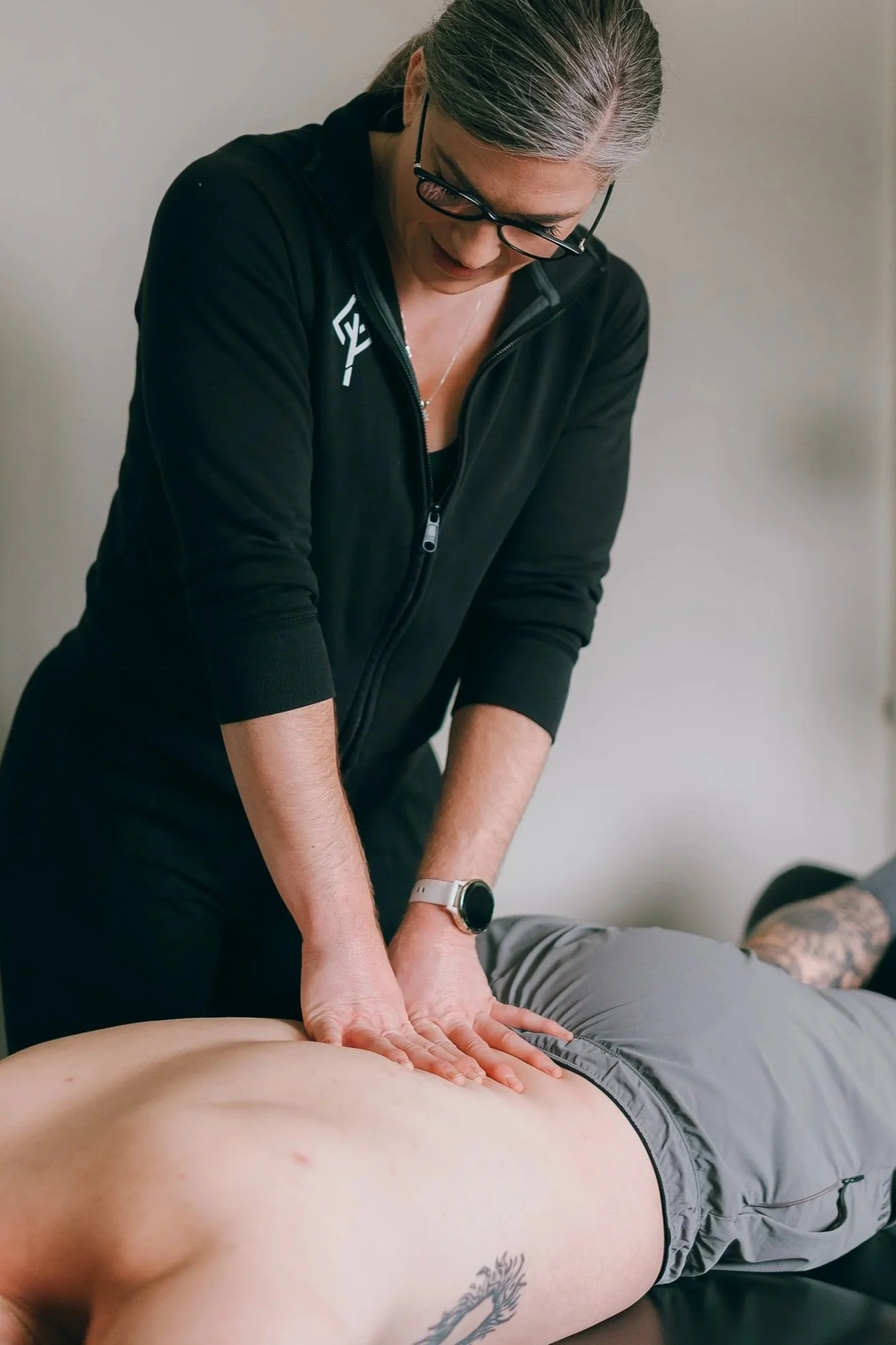
At RISE, our Seattle physical therapists integrate manual therapy directly into recovery programming. Hands-on soft tissue work, joint mobilization, and targeted manual therapy accelerate recovery, reduce pain, and help active adults get back to what they love faster than passive modalities alone.
Overtraining Syndrome: When Inadequate Recovery Becomes a Clinical Problem
Functional overreaching, a short-term performance decrement that resolves with adequate rest, is a normal part of progressive training. Non-functional overreaching and full overtraining syndrome are not.
The European College of Sport Science and the American College of Sports Medicine published a joint consensus statement (Meeusen et al., 2013, Medicine and Science in Sports and Exercise) defining overtraining syndrome as a maladaptive response to excessive training load without adequate recovery, resulting in long-term performance decrements accompanied by mood disturbance and altered hormonal, immune, and autonomic nervous system function.
Key clinical markers include: persistent fatigue unresolved by rest, decreased performance despite maintained or increased training, elevated resting heart rate, suppressed HRV, mood disturbance including increased irritability, apathy and depression, recurrent illness due to immune suppression, and loss of motivation.
Recovery from true overtraining syndrome can take months to years. The irony is that the population most at risk, driven, high-achieving, performance-oriented athletes, are also the population least likely to recognize the warning signs and pull back before the system breaks down. In Seattle's South Lake Union community, where high performers thrive in demanding careers while training hard in their off hours, this pattern is more common than most people realize.
This is exactly why recovery is not an afterthought in our physical therapy and health coaching model at RISE. It is built into every treatment plan from day one.
What a High-Quality Recovery Protocol Actually Looks Like
The research does not support an elaborate, expensive, or time-consuming recovery protocol for most active adults. It supports consistent execution of the following:
Sleep: 8 to 9 hours in a consistent schedule with a cool, dark sleep environment. This is the highest-leverage recovery intervention available to any athlete at any level.
Active recovery sessions: 20 to 40 minutes of low-intensity movement (walking, cycling, swimming, yoga) on rest days to promote blood flow, parasympathetic activation, and metabolic waste clearance. Seattle runners, a stroll along Lake Union or an easy loop on the Burke-Gilman more than qualifies.
Protein distribution: Four protein-containing meals across the day with 20 to 40 grams of protein per meal. Consider 40 grams of casein before bed on hard training days.
Post-training nutrition: Carbohydrate and protein within 60 minutes of finishing a hard session, particularly when training frequency is high.
Stress management: Breathwork, meditation, and deliberate parasympathetic activation through slow diaphragmatic breathing (4-second inhale, 6-second exhale) have all been shown to reduce cortisol and shift autonomic balance toward recovery (Zaccaro et al., 2018, Frontiers in Human Neuroscience).
Soft tissue work: 5 to 10 minutes of foam rolling targeting trained areas, particularly before sleep, to reduce perceived soreness and neuromuscular tone.
HRV monitoring: Tracking morning HRV over time provides objective data on recovery status and allows for informed decisions about training intensity on any given day.
Why Physical Therapy and Health Coaching Together Produce Better Results
Most Seattle physical therapy practices treat the injury in front of them. At RISE, we treat the whole person behind it.
The research on recovery makes clear that tissue healing does not happen in a vacuum. It is shaped by sleep quality, psychological stress, nutrition habits, training load management, and nervous system regulation. These are not soft lifestyle factors. They are hard clinical variables with measurable effects on outcomes.
Our integrated model combines the diagnostic and manual therapy expertise of board-certified physical therapists with health coaching strategies that address sleep, nutrition, stress, and mindset. This means that when you work with RISE, you are not just getting a home exercise program and a few sessions of hands-on treatment. You are getting a comprehensive plan built around every factor that determines how fast and how fully you recover.
For active adults, runners, lifters, dancers, CrossFitters, and driven professionals in Seattle and South Lake Union looking for physical therapy that goes beyond the standard model, this integrated approach is the difference between returning to your activity and returning to your activity stronger than before.
Let’s recap with some frequently asked questions…
What is the difference between rest and recovery in physical therapy? Rest refers to the absence of physical effort. Recovery is an active physiological process involving tissue repair, nervous system regulation, hormonal restoration, and adaptation. Sports physical therapists distinguish between these because passive rest alone is often insufficient for full recovery, particularly after high training loads or injury.
How does health coaching complement physical therapy in Seattle? Health coaching addresses the lifestyle variables that directly affect tissue healing and performance: sleep quality, nutrition timing, stress management, and mindset. At RISE Performance & Health in South Lake Union, Seattle, we integrate health coaching into every physical therapy plan because research shows these factors independently influence recovery timelines and injury risk.
How many hours of sleep do athletes need for optimal recovery? Research consistently supports 8 to 9 hours of sleep per night for active adults. Athletes sleeping fewer than eight hours per night have been shown to have significantly higher injury rates and impaired performance compared to those sleeping eight or more hours (Milewski et al., 2014).
What is HRV and why does it matter for recovery? Heart rate variability (HRV) is a measure of the variation between heartbeats and reflects the balance between sympathetic and parasympathetic nervous system activity. Higher HRV generally indicates better recovery and readiness to train. At RISE, we use HRV alongside clinical assessment to guide training load decisions for our Seattle patients.
Does psychological stress affect physical recovery? Yes, significantly. Research shows that psychological stress elevates cortisol, blunts the anabolic response to exercise, and impairs muscle recovery even when training variables are unchanged. This is why our physical therapy and health coaching approach at RISE addresses life stress as a clinical variable, not a secondary concern.